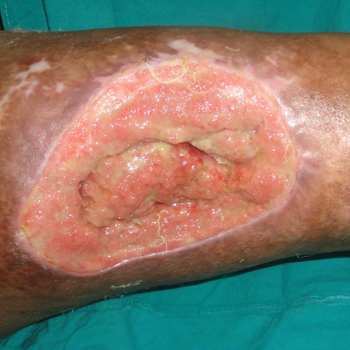


Non-Healing Wounds
Non-healing wounds, often referred to as chronic wounds, are those that fail to proceed through the normal stages of healing—hemostasis, inflammation, proliferation, and remodeling—within the expected timeframe, typically four to six weeks. Such wounds can result from various causes, including diabetes, poor blood circulation, infections, and pressure ulcers. They are common in individuals with underlying conditions such as vascular disease, autoimmune disorders, and compromised immune systems, which disrupt the body’s natural healing processes.
Chronic wounds are characterized by persistent inflammation, infection risks, necrotic tissue, and excessive fluid or drainage, which impedes tissue regeneration. Symptoms often include pain, swelling, redness, and sometimes a foul odor due to bacterial colonization. Managing these wounds requires addressing the underlying medical condition, controlling infection, and promoting tissue repair through specialized wound care. Advanced treatments like debridement, antimicrobial dressings, skin grafts, and therapies such as negative pressure wound therapy (NPWT) or hyperbaric oxygen therapy can be helpful.
Non-healing wounds significantly impact quality of life, making early intervention and a multidisciplinary approach essential. Left untreated, they can lead to severe complications, including systemic infections and, in extreme cases, amputation.