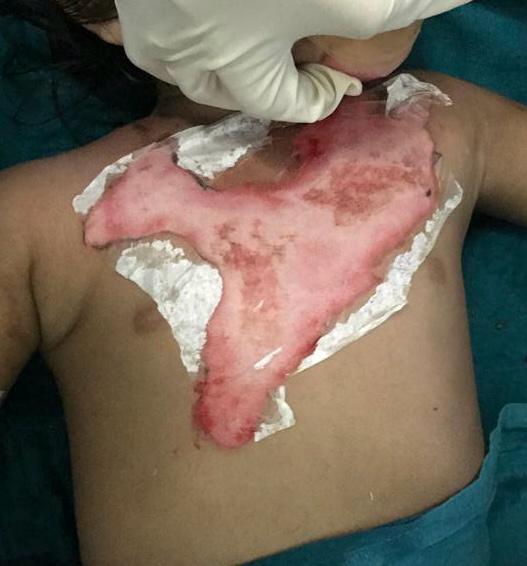


Advanced Wound Care
Advanced wound care involves specialized techniques and products to manage complex or non-healing wounds, such as diabetic ulcers, pressure sores, venous leg ulcers, surgical wounds, and traumatic injuries. The aim is to accelerate healing, reduce infection risks, and improve patient outcomes by creating an optimal wound environment and addressing underlying health factors.
Key Components of Advanced Wound Care
- Debridement: Removal of dead, damaged, or infected tissue to promote healing. Techniques include surgical, enzymatic, autolytic (body's own enzymes), and biological debridement (using sterile maggots).
- Moist Wound Healing: Maintaining moisture around the wound enhances cellular activity, reduces pain, and prevents scab formation, improving the healing rate. This involves advanced dressings like hydrogels, hydrocolloids, and alginates that retain moisture while preventing excess fluid accumulation.
- Negative Pressure Wound Therapy (NPWT): Also known as vacuum-assisted closure (VAC), NPWT involves placing a foam dressing over the wound and applying controlled suction to reduce swelling, remove exudate, and promote blood flow to the area.
- Hyperbaric Oxygen Therapy (HBOT): Patients breathe pure oxygen in a pressurized chamber, which enhances oxygen delivery to damaged tissues, promotes healing, and helps fight infection. HBOT is especially effective for chronic wounds and diabetic ulcers.
- Biologic Dressings and Skin Substitutes: These include grafts made from natural or synthetic materials that mimic skin layers, providing protection and promoting cell growth. Bioengineered skin substitutes (like collagen-based and amniotic membrane grafts) support faster healing in complex wounds.
- Growth Factors and Stem Cell Therapy: Growth factors stimulate cell regeneration and promote wound healing. Stem cell therapy can also support tissue regeneration in chronic wounds, although it’s currently more experimental.
- Antimicrobial Dressings: Dressings containing agents like silver, iodine, or honey to reduce bacterial load and prevent infection, essential for wounds prone to infection.
- Compression Therapy: Essential for venous leg ulcers, compression helps improve circulation and reduce swelling by applying pressure to the wound area. Options include compression bandages and stockings.
- Advanced Diagnostics and Monitoring: Newer technologies, such as thermal imaging and fluorescence, help monitor wound health and detect infections early, allowing for timely intervention.
Goals and Benefits
The primary objectives of advanced wound care are to speed up healing, prevent infection, reduce scarring, and improve the patient’s quality of life. Specialized care is critical in patients with conditions like diabetes, compromised immunity, or poor circulation, where wounds may otherwise become chronic or life-threatening.