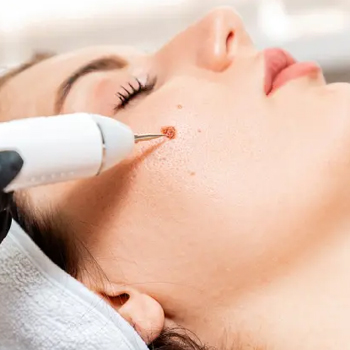


Mole Removal
Mole removal is a medical procedure that involves removing benign moles or growths on the skin for cosmetic reasons, medical concerns, or when a mole shows signs of potential skin cancer. Moles, also called nevi, are typically non-cancerous skin growths but can sometimes develop into melanoma, a dangerous form of skin cancer. When a mole changes in size, shape, or color, or becomes painful or itchy, it may be a candidate for removal.
Methods of Mole Removal
- Excision: The mole is removed with a scalpel, and the surrounding skin is stitched closed. This method is often used for larger moles or those that require a biopsy to check for cancer cells. Excision leaves a scar but typically provides a more complete removal.
- Shave Removal: In this method, the mole is shaved off at the surface level using a scalpel. This is usually done for smaller, raised moles. Shave removal typically leaves minimal scarring, but in some cases, moles can regrow if the root isn't fully removed.
- Laser Removal: Laser therapy uses concentrated light beams to break down the pigment in the mole, causing it to fade and disappear. This technique is most effective for non-cancerous, superficial moles and is minimally invasive, leaving no stitches or scars.
- Cryotherapy: Cryotherapy involves freezing the mole with liquid nitrogen, causing it to fall off over time. This method is typically used for smaller, benign moles and warts but is not ideal for deeper or cancerous growths.
- Electrosurgery: In this technique, high-frequency electrical currents are used to burn off the mole. It's commonly used for smaller moles or in cosmetic procedures to remove raised moles. It leaves minimal scarring, though the treated area may take some time to heal.
Indications for Mole Removal
- Cosmetic Reasons: Many people choose mole removal for aesthetic purposes, especially when the mole is large, raised, or in a prominent area like the face.
- Suspicion of Cancer: If a mole shows signs of possible melanoma, such as asymmetry, irregular borders, color changes, itching, bleeding, or rapid growth, removal is advised for further analysis.
- Pain or Irritation: Moles that cause discomfort from friction or pressure may be removed to alleviate symptoms.
Aftercare and Recovery
- Wound Care: After mole removal, it is important to follow wound care instructions, such as keeping the area clean, applying ointments to prevent infection, and avoiding sun exposure.
- Scar Management: Some scarring is typical, but using silicone sheets or ointments may help reduce the appearance of scars.
- Follow-up: If the mole was removed for biopsy, follow-up appointments may be necessary to review the results. If melanoma or other skin cancers were found, further treatment may be required.