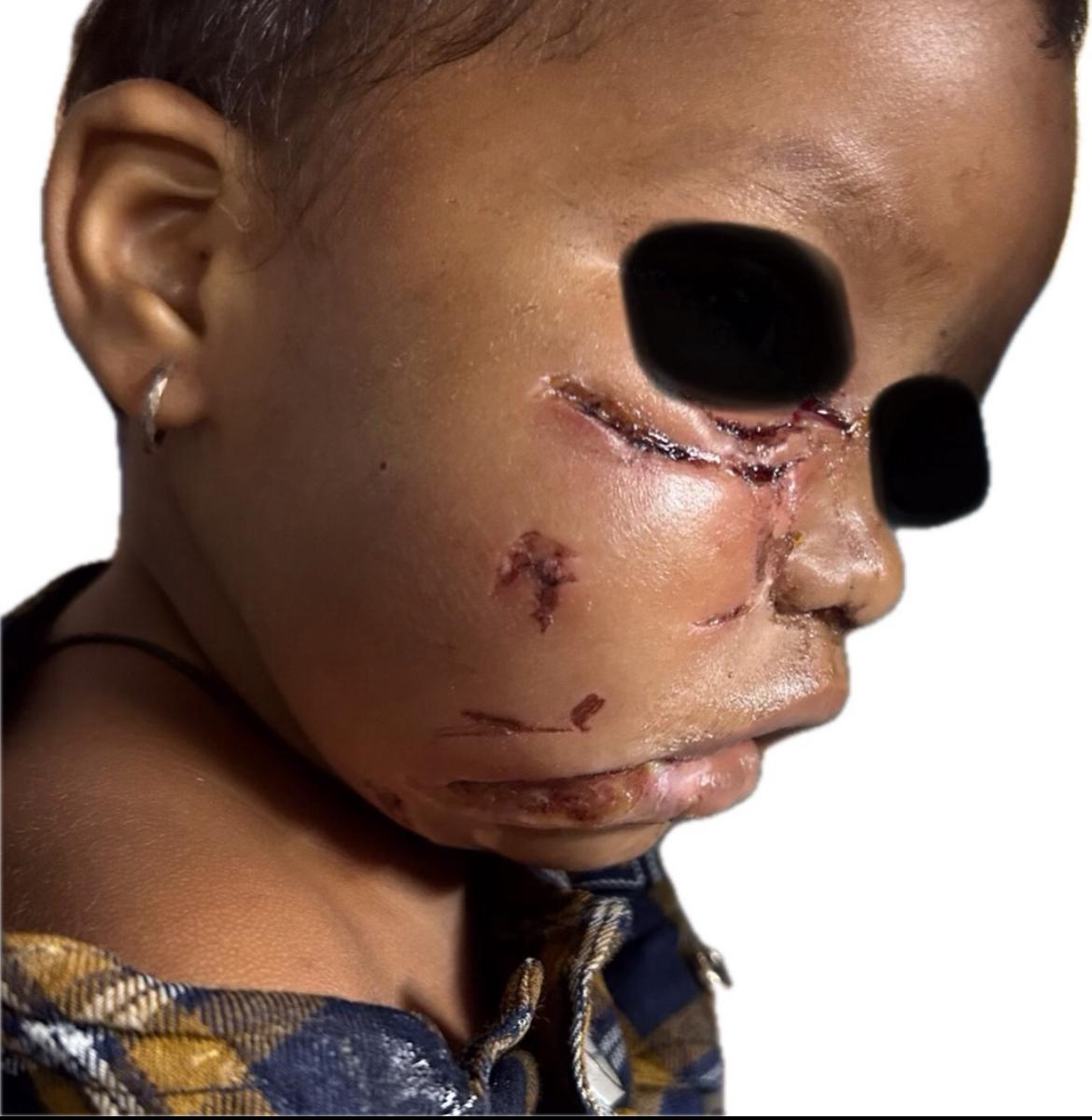


Facial Trauma
Facial trauma refers to injuries that occur to the face and the bones, tissues, and structures within it, often resulting from accidents, falls, physical altercise, sports, or violent events. These injuries can involve damage to the skin, facial bones, teeth, and soft tissues (such as muscles, nerves, and blood vessels), and may vary in severity from minor cuts or bruises to complex fractures that require surgical intervention. Proper management is crucial to ensure functional recovery, aesthetic restoration, and to prevent long-term complications such as chronic pain, disfigurement, or impaired function.
Common Causes of Facial Trauma
- Motor Vehicle Accidents: Car accidents are one of the leading causes of facial trauma, particularly injuries to the mandible (lower jaw), zygoma (cheekbone), and nasal bones.
- Sports Injuries: Contact sports like football, hockey, and boxing often lead to facial fractures, concussions, or soft tissue damage.
- Falls: Accidental falls, especially in the elderly, can lead to fractures of the facial bones, such as the nose, orbit (eye socket), or the maxilla (upper jaw).
- Assaults: Physical violence, including fights or injuries from weapons, may cause significant trauma to the facial bones and soft tissues.
- Industrial or Occupational Accidents: Work-related accidents, especially in construction or manufacturing, can result in facial injuries due to blunt force or sharp objects.
- Animal Bites: Bites from animals, especially dogs, can lead to both soft tissue and bone injuries, with a high risk of infection.
Types of Facial Trauma
- Soft Tissue Injuries
- Fractures of Facial Bones
- Dental Trauma
- Orbital and Eye Injuries
- Open Facial Wounds
Symptoms of Facial Trauma
- Pain in the affected area, ranging from mild discomfort to severe pain, especially when moving the jaw or facial muscles.
- Swelling and bruising around the face, eyes, or jaw, which may worsen in the first 24–48 hours.
- Bleeding from cuts, lacerations, or fractures, particularly from the nose or mouth.
- Deformity or asymmetry of the face, which may be evident in cases of significant fractures or displacement of facial bones.
- Numbness or tingling in the face, lips, or chin, indicating possible nerve damage or compression.
- Difficulty breathing through the nose or mouth, especially with nasal fractures, jaw injuries, or severe facial swelling.
- Double vision or vision problems due to orbital fractures or injury to the eyes.
- Loss of function of the jaw or mouth, such as difficulty speaking, eating, or moving the jaw due to fractures or dislocations.
Diagnosis of Facial Trauma
- Physical Examination: A detailed examination of the facial area is essential to assess the extent of injuries, including checking for deformities, swelling, and the ability to move the jaw and facial muscles.
- X-rays and CT Scans: Imaging studies are necessary to evaluate fractures of the facial bones, eye sockets, and jaw.
- MRI: This may be used for soft tissue injuries, particularly to assess nerve damage or injury to the muscles.
- Dental X-rays: If dental trauma is suspected, specialized imaging may be required to evaluate tooth damage and displacement.