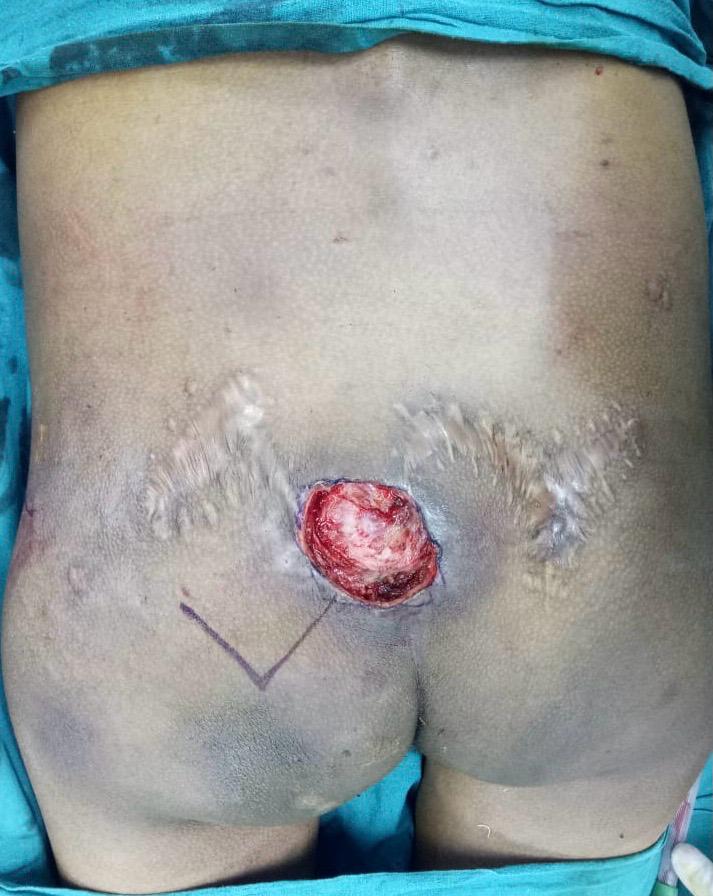


Bed Sore Surgery
Bed sores, also known as pressure ulcers or decubitus ulcers, are injuries to the skin and underlying tissue caused by prolonged pressure on the skin, typically over bony areas such as the heels, hips, and tailbone. These ulcers are most commonly seen in individuals who are bedridden, paralyzed, or immobile for extended periods of time. If left untreated, bed sores can become severe and lead to deep tissue damage, infection, and systemic complications. In some cases, surgery may be required to treat advanced bed sores that do not heal with conservative treatments.
Causes and Risk Factors of Bed Sores
Bed sores develop when sustained pressure on the skin reduces blood flow to the affected area, causing tissue damage. Other contributing factors include:
- Immobility: Prolonged periods of sitting or lying down without repositioning, especially in individuals with spinal cord injuries, neurological conditions, or those recovering from surgery.
- Moisture: Excessive moisture from sweat or incontinence can contribute to skin breakdown, making it more susceptible to pressure injuries.
- Poor Nutrition: A lack of adequate nutrients can impair skin health and delay healing.
- Friction and Shear: Sliding or dragging movements that cause the skin to stretch or rub against surfaces can contribute to the development of bed sores.
- Medical Conditions: Diabetes, vascular disease, and other chronic conditions that affect circulation can increase the risk of developing bed sores.
Types and Stages of Bed Sores
- Stage 1: Redness and discoloration of the skin, which does not blanch when pressed. There may be swelling or hardness in the affected area.
- Stage 2: Partial-thickness skin loss, with blistering, abrasion, or shallow open wounds.
- Stage 3: Full-thickness skin loss, with damage extending into the deeper layers of tissue, potentially involving the subcutaneous tissue.
- Stage 4: Severe tissue damage involving full-thickness loss of skin, muscle, and possibly bone. This stage often involves necrotic tissue, deep tunneling, and infection.
Indications for Bed Sore Surgery
Surgery is generally reserved for stage 3 and stage 4 bed sores that have not responded to conservative treatments such as pressure relief, wound care, infection management, and nutritional support. The need for surgery may arise in the following situations:
- Non-Healing Ulcers: When pressure ulcers do not heal despite optimal medical management.
- Infection: The development of a deep tissue or bone infection (osteomyelitis) that cannot be controlled with antibiotics alone.
- Necrotic Tissue: The presence of dead or devitalized tissue that requires removal to promote healing.
- Large Ulcers: Extensive wounds that cannot heal without surgical intervention due to size or depth.